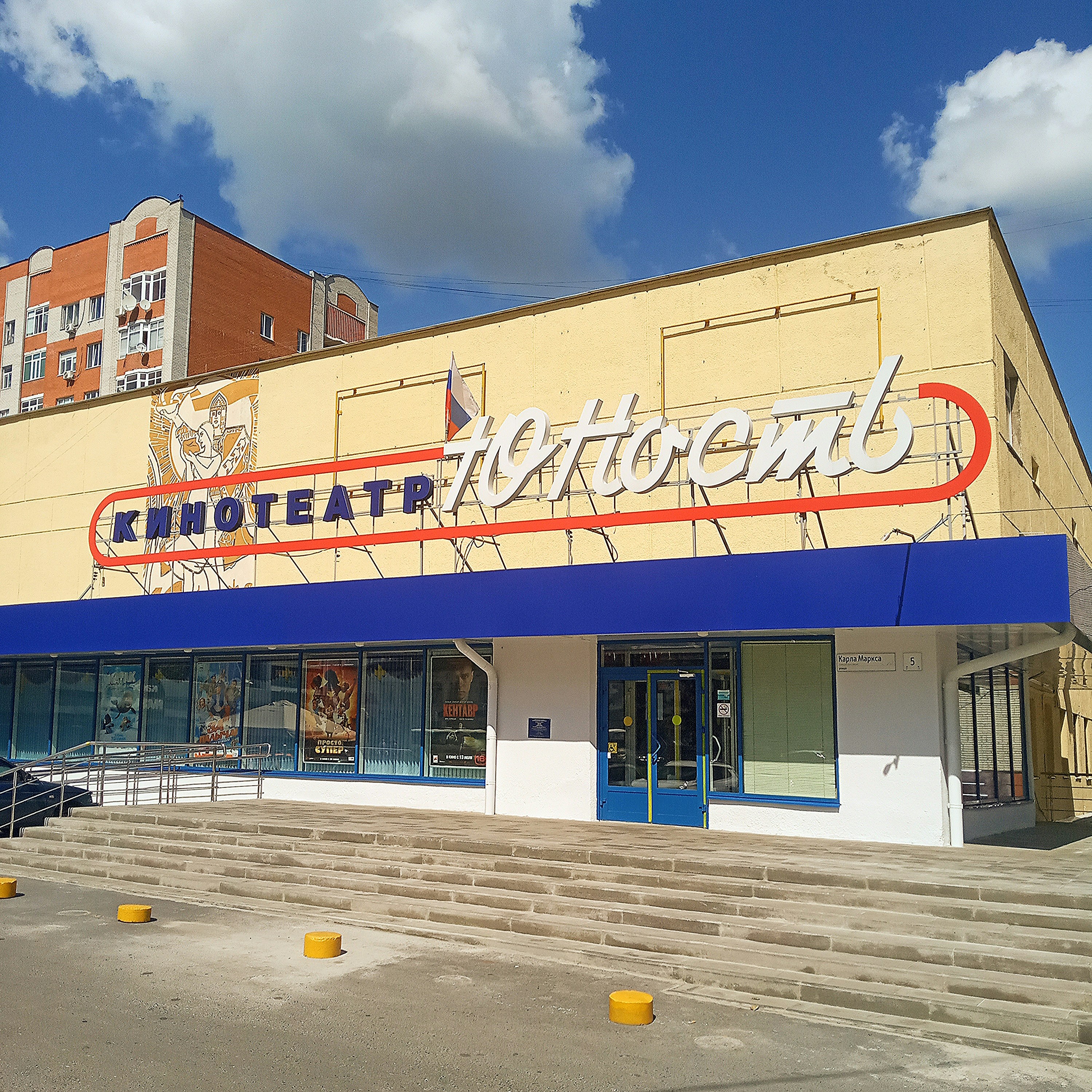
Introduction to Russian Cinema
Russian cinema boasts a rich and diverse history, tracing its origins back to the early 20th century. With the advent of filmmaking in Russia, the medium emerged as a powerful tool for storytelling and expression, reflecting the cultural, social, and political dynamics of the nation. The first notable feature film, “Stenka Razin,” directed by Vasily Goncharov in 1908, marked the beginning of this artistic journey, setting the foundation for subsequent cinematic developments.
Throughout the years, Russian cinema has experienced significant transformations, largely influenced by political upheavals, including the Bolshevik Revolution and the establishment of the Soviet regime. During the 1920s, the Soviet Union fostered innovative movements such as Constructivism and Montage Theory, championed by influential filmmakers like Sergei Eisenstein and Dziga Vertov. Their pioneering works, including “Battleship Potemkin” and “Man with a Movie Camera,” showcased the potential of cinematic language and deeply explored themes of class struggle and social justice.
The mid-20th century further contributed to the evolution of Russian cinema, as filmmakers grappled with the demands of socialist realism while striving for artistic expression. The era produced a number of iconic works, such as “The Cranes Are Flying” and “Andrei Rublev,” which offered poignant insights into the human condition amid historical turmoil. With the onset of perestroika in the 1980s and the subsequent dissolution of the Soviet Union, filmmakers began to explore a broader range of themes and styles, giving rise to a new wave of Russian cinema that reflected contemporary society.
Today, Russian cinema continues to thrive, with modern filmmakers drawing inspiration from their predecessors while pushing boundaries through innovative storytelling techniques. As we delve into the ten iconic Russian movies featured in this post, it becomes evident that the journey of Russian cinema is one of resilience, creativity, and enduring significance. With each film, audiences gain a profound understanding of Russia’s complex narrative, making these cinematic treasures essential viewing for film enthusiasts and cultural explorers alike.
The Golden Age of Soviet Cinema
The Golden Age of Soviet cinema, spanning from the 1920s to the 1960s, marked a transformative period in the film industry that coincided with significant political and social changes in Russia. During this era, filmmakers sought to reflect and shape Soviet ideology through their work. Prominent figures such as Sergei Eisenstein and Vsevolod Pudovkin emerged, bringing innovative techniques and deep narratives that explored the human condition against the backdrop of revolutionary ideals.
One of the defining characteristics of this period was the advent of montage theory, championed by Eisenstein in films like “Battleship Potemkin.” This technique involved editing sequences to convey powerful emotions and political messages, ultimately elevating film to a new art form. The influential use of montage not only captivated audiences but also influenced global cinema, establishing a distinct Soviet style that emphasized collective experience over individual narratives.
Moreover, the socio-political context of the time played a vital role in shaping cinematic themes. The early years of cinema under the Bolsheviks was characterized by a strong focus on promoting socialist realism, which aimed to depict the everyday lives of ordinary people while glorifying communist ideals. This movement aimed to unify the populace and bolster national identity following the turmoil of the Russian Revolution. Directors like Aleksandr Dovzhenko and Andrei Tarkovsky contributed to this discourse, integrating philosophical reflections with visual artistry in their films.
The Golden Age laid a foundation for future cinematic icons, establishing a legacy that would influence filmmakers within and beyond Russia. Works from this era continue to resonate with audiences today, highlighting both the artistic achievements and the ideological complexities that defined Soviet cinema. The innovations and commitments of this time showcase the power of film as a medium for political expression and cultural identity.
1. Battleship Potemkin (1925)
Directed by Sergei Eisenstein, this silent film is a pioneering work of cinematic expressionism. It recounts the mutiny of sailors aboard the Battleship Potemkin against their oppressive officers, symbolizing the broader struggles of the Russian people against tyranny. Its iconic “Odessa Steps” sequence remains a significant cinematic reference.
2. Andrei Rublev (1966)
Directed by Andrei Tarkovsky, this historical drama presents the life of the famed 15th-century icon painter, Andrei Rublev. The film explores themes of creativity, spirituality, and the morality of art against a backdrop of political instability and cultural repression in medieval Russia.
3. The Mirror (1975)
Also directed by Andrei Tarkovsky, “The Mirror” is a semi-autobiographical film that fuses memories and fantasies. Through a nonlinear narrative, it traverses the protagonist’s childhood, family life, and reflections on Soviet society, merging personal history with collective trauma.
4. Stalker (1979)
In this thought-provoking science fiction film directed by Andrei Tarkovsky, a guide, known as the Stalker, leads two clients into a mysterious area called the Zone. The film explores philosophical themes, including the human desire for knowledge and the nature of reality, through a deeply atmospheric narrative.
5. Moscow Does Not Believe in Tears (1980)
This Soviet drama, directed by Vladimir Menshov, follows three women over the course of two decades as they navigate love and career amidst the changing social landscape of Moscow. The film won an Academy Award for Best Foreign Language Film and emphasizes women’s resilience in urban life.
6. Come and See (1985)
Directed by Elem Klimov, this harrowing war drama tells the story of a young boy during the Nazi occupation of Belarus. The film’s stark portrayal of the horrors of war and its psychological impacts remains haunting and profound, marking it as one of the most influential anti-war films in cinema history.
7. The Cranes Are Flying (1957)
This film, directed by Mikhail Kalatozov, revolves around a young couple torn apart by World War II. It is celebrated for its innovative cinematography and emotional depth, showcasing the impact of war on personal relationships and the human spirit’s resilience amidst tragedy.
8. Solaris (1972)
Directed by Andrei Tarkovsky, “Solaris” is a science fiction adaptation of Stanisław Lem’s novel. It explores existential themes through the story of a psychologist sent to a space station orbiting a mysterious planet that brings human thoughts to life, challenging the concept of reality and memory.
9. The Childhood of a Leader (2015)
Directed by Brady Corbet, this film presents the early years of a fictional dictator in post-World War I Europe. Although not a traditional Russian film, it reflects the influence of Russian themes and aesthetics. The movie examines power, ambition, and the psychological roots of tyranny from a child’s perspective.
10. Leviathan (2014)
Andrei Zvyagintsev’s “Leviathan” tells the story of a man battling against corrupt authorities in a remote Russian coastal town. The film addresses themes of power, injustice, and moral decay, drawing parallels to the biblical tale of Job as it portrays the struggles of ordinary citizens against systemic corruption.
Exploring Themes in Russian Cinema
Russian cinema is characterized by a rich tapestry of themes that echo the nation’s complex culture and tumultuous history. Among the most prominent themes is existentialism, which often pervades the narratives of key films, reflecting an ongoing struggle with identity and purpose. Filmmakers such as Andrei Tarkovsky and Aleksei German probe deeply into the human condition, questioning the essence of existence amid uncertainty and despair. This philosophical lens invites viewers to contemplate their own lives against the backdrop of the vast Russian landscape and historical events, adding profound emotional depth to the cinematic experience.
War is another significant theme, commonly explored in Russian films. The portrayal of various conflicts, particularly World War II, serves not just as a backdrop but as an essential character that shapes the storyline and character development. Movies like “Come and See” exemplify this theme, illustrating the brutal realities of war and its psychological impacts on individuals. Through these narratives, Russian filmmakers present a critically reflective perspective on the national consciousness, offering both a historical account and personal testimonies of bravery, loss, and resilience.
Social commentary also plays a vital role in Russian cinema, as filmmakers often address the struggles of ordinary people grappling with political, economic, and societal challenges. Films such as “The Cranes Are Flying” and “Burnt by the Sun” showcase the human experience under the oppressive weight of a changing social landscape. These narratives provide insights into the broader societal issues faced by individuals, thereby enriching the viewer’s understanding of the complexities within Russian life and culture.
Thus, the exploration of these themes—existentialism, war, and social commentary—imbues Russian films with a layered significance that resonates with both domestic and international audiences. Understanding these thematic elements enhances the appreciation of the iconic Russian movies discussed in previous sections, showcasing the unique ability of cinema to reflect and critique cultural realities.
Cinematic Techniques and Styles
Russian cinema has garnered international acclaim for its distinctive cinematographic techniques and artistic styles that reflect the cultural and political landscapes of the country. Notably, these films often employ visual storytelling, intertwining narrative with striking imagery to create a profound impact on viewers. The use of symbolism is prevalent, allowing filmmakers to convey complex themes and emotions through visual metaphors rather than explicit dialogue, which adds layers of interpretation to the storytelling.
The works of iconic directors such as Sergei Eisenstein, Andrei Tarkovsky, and Aleksandr Sokurov exemplify the innovative approaches prevalent in Russian films. Eisenstein, known for his pioneering editing techniques, utilized montage to manipulate time and emotion, crafting sequences that evoke a visceral response. His film “Battleship Potemkin” is often hailed as a masterclass in visual narrative, demonstrating how juxtaposed images can convey a powerful message about revolution and human struggle.
In contrast, Tarkovsky’s films, such as “Andrei Rublev” and “Solaris,” are characterized by their contemplative pacing and distinctive use of long takes, which invite viewers to immerse themselves in the philosophical themes being explored. His artistic choice in deploying nature and the elements as motifs amplifies the emotional landscape of his narratives, creating an ethereal quality that resonates with audiences. Tarkovsky’s stylistic focus on spirituality and existential contemplation has made his films a fundamental part of film studies globally.
Moreover, contemporary directors like Sokurov showcase a unique visual style that often features intimate, close-up shots combined with painterly compositions, providing a meditative experience in films such as “Russian Ark.” These artistic choices allow for a deeper, more emotional engagement with the material, which has become a hallmark of Russian cinema. Through the years, the evolution of cinematic techniques in Russia has not only set a benchmark for filmmakers worldwide but has also enriched the art of storytelling itself.
Impact of Russian Films on Global Cinema
Russian cinema has long been recognized for its unique aesthetic and profound storytelling, significantly influencing filmmakers around the world. The early 20th century marked a pivotal time for Russian films, with the emergence of directors like Sergei Eisenstein and Andrei Tarkovsky, who pioneered innovative techniques that would be emulated by filmmakers across various cultures. Eisenstein’s work, particularly “Battleship Potemkin,” introduced groundbreaking editing methods that altered the language of cinema, with the expressive use of montage inspiring not only Soviet filmmakers but also major directors in the West. His stylistic contributions continue to resonate in modern filmmaking practices, underscoring the lasting impact of Russian films on narrative structures and visual storytelling.
Furthermore, the thematic richness of Russian cinema has encouraged exploration in genres ranging from drama to science fiction. The philosophical undertones and deep emotional narratives found in Tarkovsky’s films, such as “Solaris” and “Stalker,” have led to a greater appreciation for existential themes in global cinema. These films have not merely entertained audiences but have also sparked intellectual discourse, inspiring countless directors to tackle complex human experiences and moral dilemmas.
The cross-cultural exchanges between Russian filmmakers and their international counterparts have also paved the way for notable collaborations. The rise of co-productions has allowed filmmakers to blend distinct storytelling styles and cultural motifs, enriching the global cinematic landscape. For instance, the work of Russian cinematographers and screenwriters in international projects demonstrates the versatility and adaptability of Russian filmmaking techniques, helping to bridge cultural divides and foster a greater understanding of diverse narratives.
As a result, the influence of Russian cinema extends beyond its borders, shaping the evolution of global cinema. It remains an essential component of film studies and continues to inspire new generations of filmmakers worldwide.
The Role of Festivals in Promoting Russian Cinema
Film festivals play a pivotal role in the promotion and celebration of Russian cinema, serving as platforms that highlight the country’s diverse storytelling traditions and artistic innovation. Prominent festivals such as the Moscow International Film Festival and the St. Petersburg International Film Festival have become integral to the global film landscape. They not only showcase a selection of Russian films but also facilitate international dialogue, enriching the cultural tapestry of the cinematic world.
These festivals provide invaluable opportunities for emerging filmmakers to present their latest works, allowing untold stories and fresh perspectives to gain visibility. For instance, the Rising Stars program at the Moscow festival specifically aims to promote burgeoning talent, granting a platform for new filmmakers to display their work to both domestic and foreign audiences. Such initiatives are crucial for the continued evolution of Russian cinema, ensuring that the creative spirit remains vibrant and relevant.
Moreover, these celebrations of cinema help maintain the rich traditions of Russian storytelling by fostering an environment where cultural heritage is honored yet reimagined. The intersection of classic narratives with modern filmmaking techniques creates a dynamic landscape. This melding of old and new has encouraged the global audience to appreciate the depth of Russian films. Furthermore, festivals typically showcase both international and national cinematic works, creating an exchange that broadens the understanding and appreciation of global filmmaking traditions.
In addition to fostering new talent, festivals often organize workshops and panels featuring established filmmakers and industry professionals. These educational undertakings not only provide insight into the craft of filmmaking but also nurture a sense of community among filmmakers, critics, and audiences. Through these interactions, the festivals cultivate a collaborative atmosphere that supports ongoing dialogue about the future of Russian cinema. This multifaceted support system is essential for keeping the tradition of Russian storytelling alive in an ever-evolving cinematic landscape.
Contemporary Russian Cinema: A New Wave
The landscape of Russian cinema has evolved significantly over the past few decades, resulting in a vibrant contemporary scene that captivates audiences both domestically and internationally. This new wave of Russian filmmakers is characterized by innovative storytelling techniques and a willingness to explore complex emotional landscapes, all while paying homage to the cinematic traditions established by their predecessors.
Contemporary Russian films often tackle pressing social issues, reflecting the rapid changes occurring in society. Themes such as alienation, identity, and resilience are prevalent, offering viewers an insightful perspective on modern life in Russia. Filmmakers like Andrey Zvyagintsev and Kantemir Balagov have garnered attention for their ability to weave these themes into compelling narratives that resonate on a personal level. Their works often serve as a critique of contemporary Russian society, shedding light on the often-difficult realities faced by its citizens.
In terms of style, new Russian cinema displays a tendency toward minimalism and realism, drawing parallels with the works of earlier directors while infusing them with fresh perspectives. Visual storytelling is emphasized, with many filmmakers opting for long takes, natural light, and detailed cinematography to captivate the audience. Films like “Leviathan” and “Beanpole” have captivated critics and audiences alike, showcasing a dedication to craft and a robust ability to evoke powerful emotions without excessive dialogue.
This new generation of filmmakers is not only redefining the narrative and aesthetic components of Russian cinema but is also making strides on the international stage. Festivals such as the Cannes Film Festival have embraced these artistic voices, highlighting the potential of contemporary Russian films to resonate globally. As these filmmakers continue to push boundaries, they embody the dynamic spirit of modern Russian cinema, ensuring that its legacy evolves while remaining deeply rooted in its rich history.
Conclusion: The Enduring Legacy of Russian Cinema
Russian cinema has established itself as a significant contributor to the global film landscape, marked by its unique storytelling, artistic vision, and cultural depth. The ten iconic films discussed in this blog post reflect a rich tradition that showcases the complexity of human emotions and the nuanced portrayal of societal issues. From the groundbreaking works of Sergei Eisenstein to the profound narratives of Andrei Tarkovsky, each film offers a glimpse into the historical and social fabric of Russia, making them essential viewing for any cinephile.
The enduring legacy of these films illustrates their ability to transcend cultural boundaries, resonating with audiences far beyond Russia’s geographic confines. Not only do they provide a historical context of Russian life, but they also invite viewers to engage with universal themes such as love, conflict, and the search for meaning. Films like “Andrei Rublev” and “Battleship Potemkin” continue to influence filmmakers globally, serving as references for narrative style, cinematography, and character development.
For those interested in exploring the breadth of film history, delving into Russian cinema offers a rewarding experience. Each work exemplifies the artistry and creativity that emerges from the intersection of life, politics, and personal struggles. As such, it is imperative to appreciate these masterpieces not just for their entertainment value but also for their relevance in fostering cultural understanding and dialogue. In conclusion, the impactful narratives and cinematic techniques showcased in these films underline the profound importance of Russian cinema as a thriving and influential art form that continues to captivate and inspire new generations of filmmakers and audiences alike.