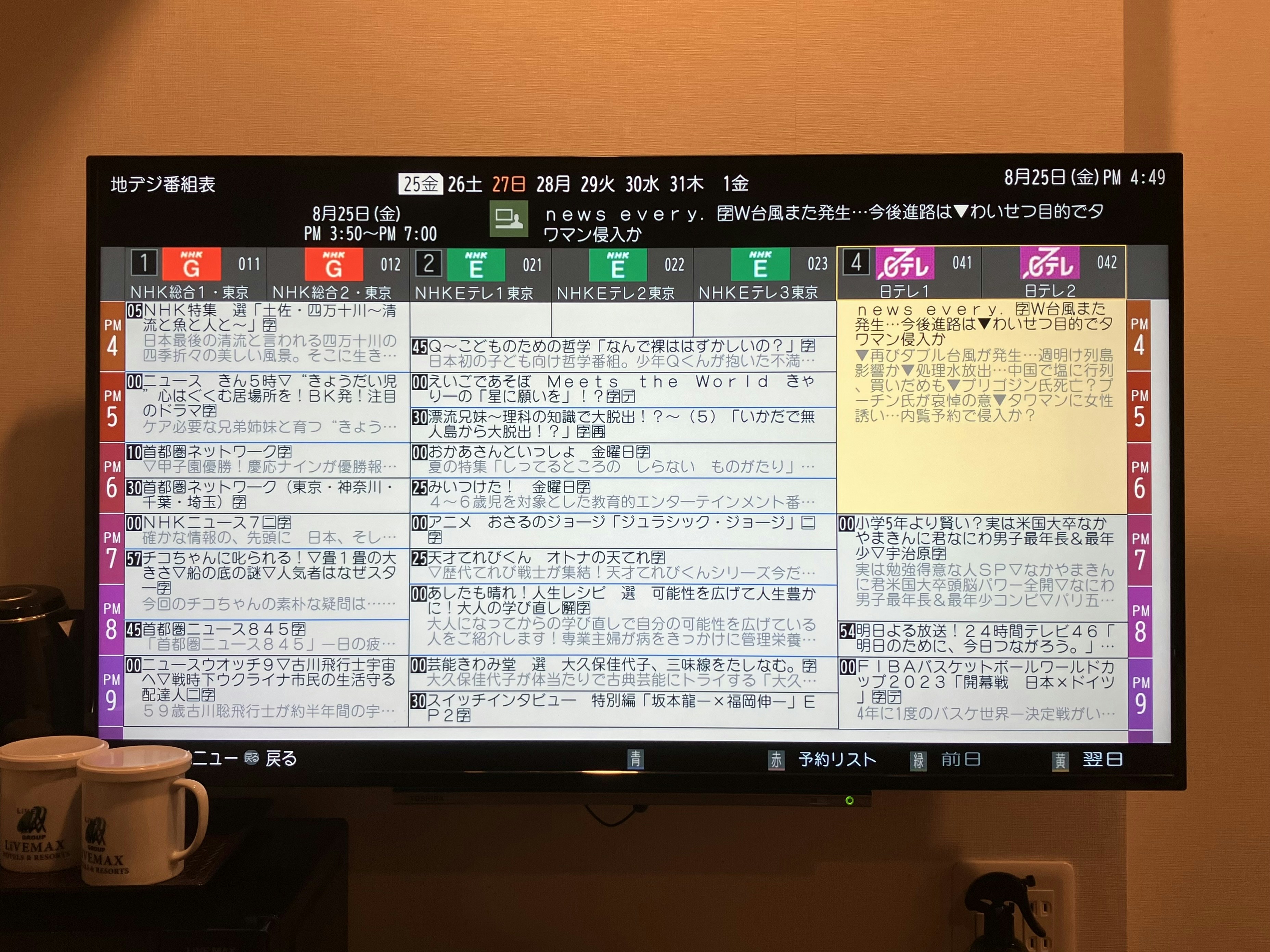
Introduction to Japanese Dramas
Japanese dramas, often referred to as ‘doramas’, represent a distinct genre of television that is renowned for its unique storytelling style and cultural significance. These dramas typically consist of a limited number of episodes, usually ranging from 10 to 12, which allows for a focused narrative arc. This concise format encourages well-developed characters and intricate plots, providing viewers with an immersive experience that distinguishes doramas from longer-running Western television series.
Culturally, Japanese dramas reflect societal values, traditions, and the contemporary issues faced by the Japanese populace. Themes such as love, friendship, ambition, and familial ties are frequently explored. The portrayal of daily life, alongside the struggles and triumphs of individuals, resonates deeply with audiences, both within Japan and internationally. Furthermore, the incorporation of humor, occasional fantasy elements, and melodrama contributes to their widespread appeal, engaging a diverse audience base.
Distinct from other forms of television dramas worldwide, Japanese doramas often balance a slow-paced narrative with compelling character development. This pacing allows for a deeper exploration of interpersonal relationships and societal dynamics, often leading to profound emotional connections between characters and viewers. As a result, doramas can elicit strong reactions from the audience, whether it be laughter, tears, or introspection.
This blog post aims to highlight ten iconic Japanese dramas that exemplify these characteristics. By showcasing their unique storytelling elements and cultural relevance, we hope to introduce you to the rich world of Japanese television dramas. Whether you are a seasoned viewer or new to the genre, these must-watch dramas offer something for everyone.
Criteria for Selection
The selection of the top 10 must-watch Japanese dramas has been a meticulous process, taking into account various critical factors that contribute to the overall quality and impact of each series. Popularity is a primary criterion, as it reflects the level of engagement and interest among viewers. High viewership ratings often indicate that a drama resonates well with audiences, providing a benchmark for its success. In this context, dramas that have captured large audiences over time are more likely to be included in the top 10 list.
Critical acclaim plays a significant role in the selection process as well. Reviews and ratings from critics can shed light on the artistic merit and narrative structure of a drama. Series that have been recognized through awards or have garnered praise from established critics often showcase superior writing, direction, and performance quality, making them worthy candidates for consideration. The opinions of both critics and the general public are considered to ensure a rounded perspective on what constitutes excellence in Japanese dramas.
Another essential criterion is cultural impact. Dramas that have influenced societal norms or have sparked conversations within the cultural landscape of Japan hold immense value. This includes dramas that address social issues, highlight historical events, or depict relatable human experiences, thereby fostering a deeper understanding of Japanese society.
Furthermore, the diversity of genres and themes is a vital aspect of the selection criteria. The top 10 must-watch dramas encompass various genres—such as romance, thriller, historical, and comedy—allowing for richer representation and appeal to a broader audience. By including a range of themes, the list not only showcases the artistic versatility of Japanese storytelling but also provides viewers an opportunity to explore different facets of Japanese culture through drama.
‘Hana Yori Dango’ (Boys Over Flowers)
‘Hana Yori Dango,’ also known as ‘Boys Over Flowers,’ is a seminal Japanese drama that first aired in 2005. This romantic comedy has garnered immense popularity and is often credited with redefining the genre in Japan. The series is based on a manga of the same name, which follows the life of Tsukushi Makino, a strong-willed girl from a lower-middle-class family. As she enrolls in an elite school attended by the wealthy elite, she quickly crosses paths with the ‘Flower Four’ (F4), a group of rich and powerful boys led by the arrogant Tsukasa Domyoji.
The narrative revolves around the tumultuous relationship that develops between Tsukushi and Tsukasa. At its core, ‘Hana Yori Dango’ explores themes of love, social class disparities, and personal growth. Tsukushi’s character is emblematic of resilience as she stands up against Tsukasa’s bullying and, through her indomitable spirit, gradually earns his respect and admiration. The series artfully juxtaposes the struggles of the protagonist against the backdrop of her classmates’ opulent lifestyles, shedding light on the complexities of social hierarchies.
Character development remains a pivotal aspect of the drama. Throughout the series, viewers witness Tsukasa’s transformation from a spoiled and self-centered individual to someone capable of genuine affection and empathy. Similarly, Tsukushi evolves from a timid girl into a confident young woman who ultimately challenges societal norms. The immense cultural impact of ‘Hana Yori Dango’ cannot be overstated; it sparked a wave of adaptations worldwide, proving its storytelling’s universal appeal. The themes of love overcoming socioeconomic boundaries resonate, making it a timeless classic in the realm of romantic comedies.
‘Nigeru wa Haji da ga Yaku ni Tatsu’ (We Married as a Job)
‘Nigeru wa Haji da ga Yaku ni Tatsu,’ translated as ‘We Married as a Job,’ is a captivating Japanese drama that presents a unique premise centered around a contract marriage. This groundbreaking series not only entertains but also invites viewers to contemplate the evolving dynamics of modern relationships. The story follows Hiramatsu (played by suzuki) and Tsuzaki (played by Hoshino), who enter into a peculiar arrangement where they form a marriage primarily for practical reasons, rather than traditional romantic ones. This setup leads to a rich exploration of how commitment can manifest in varied forms.
The chemistry between the lead characters is palpable, drawing audiences further into their unconventional relationship. As their lives intertwine, the series beautifully blends humor with romance, showcasing the development of genuine feelings while navigating the complexities of their situation. This dynamic is enhanced by sharp writing, which infuses comedic elements that lighten serious conversations about love and partnership. The relatable struggles they face resonate with many, making it a favorite among viewers.
<p'reception 'nigeru="" a="" ability="" address="" also="" and="" applauding="" appreciated="" around="" as="" attention.="" balance,="" been="" but="" commentary="" concept="" contemporary="" critics="" da="" dialogue="" drama="" dramas.
3. ‘Shinya Shokudo’ (Midnight Diner)
‘Shinya Shokudo,’ known as ‘Midnight Diner’ in English, is a poignant Japanese drama that has captured the hearts of viewers around the globe. Set in a humble late-night diner located in the heart of Tokyo, the series offers a unique glimpse into the lives of its diverse patrons, each bringing their individual stories and struggles to the table. The diner, run by the enigmatic Chef, is not just a place to eat; it serves as a sanctuary for those seeking comfort, connection, and understanding amid the challenges of everyday life.
<pthe a="" acting="" and="" are="" around="" as="" bustling="" catalysts="" centers="" characters'="" city.
One of the defining characteristics of ‘Shinya Shokudo’ is its episodic structure. Each episode stands alone yet contributes to a greater narrative about the intricacies of life. The interactions between Chef and his patrons highlight the importance of connection, emphasizing how food can bridge gaps between individuals. The lessons learned through these interactions resonate profoundly, often illustrating that even in a world marked by isolation, there is solace to be found in shared experiences. Through relatable characters and heartwarming narratives, ‘Shinya Shokudo’ leaves a lasting impression, reminding viewers of the value of compassion, community, and the simple joys that life can offer.
4. ‘Gokusen’
‘Gokusen’ stands out as a quintessential Japanese drama that seamlessly blends comedy and drama, captivating audiences since its debut. The story revolves around Kumiko Yamaguchi, a young and sprightly teacher who hails from a yakuza family. This unique background serves as a catalyst for various plot developments and character interactions, illustrating the struggles of balancing her professional life with her family’s legacy. Kumiko’s character arc is particularly profound, showcasing her journey as she navigates the complexities of her dual identity while striving to make a genuine impact on her students’ lives.
As Kumiko takes on the role of a teacher at an all-boys high school, she faces a myriad of challenges, primarily from her unruly class. However, rather than resorting to strict disciplinary measures, her approach is characterized by understanding, humor, and encouragement. This method not only aids in her students’ academic growth but also fosters emotional connections, ultimately driving home powerful messages of perseverance, friendship, and self-discovery. The witty exchanges and heartfelt moments throughout the series contribute to a balanced narrative that entertains while also provoking thought.
The impact of ‘Gokusen’ on the Japanese drama landscape is undeniable. Its ability to blend elements of humor with serious themes has inspired numerous adaptations and similar narratives in the genre. The show’s legacy continues to thrive, with fans enjoying both the original series and its subsequent adaptations, which further highlight issues of youth culture and identity in Japan. Through its engaging storytelling and relatable characters, ‘Gokusen’ not only remains a fan-favorite but also serves as a touchstone for future Japanese dramas that aim to convey meaningful life lessons with humor and heart.
5. ‘Zettai Kareshi’ (Absolute Boyfriend)
‘Zettai Kareshi,’ also known as ‘Absolute Boyfriend,’ is a Japanese drama that captivates audiences with its unique blend of romance, technology, and the evolving definition of relationships. The series revolves around Riiko Izawa, a young woman who struggles with love and often finds herself unlucky in personal connections. In a world where finding the perfect partner seems nearly impossible, Riiko’s life takes a dramatic turn when she receives a highly advanced, humanoid robot designed to be the perfect boyfriend, named Night. This sci-fi romance explores the implications of technology on human relationships, questioning what it truly means to love and be loved.
Throughout the series, viewers witness Riiko’s journey as she navigates the challenges and emotional dilemmas that arise from her unconventional relationship with Night, as well as her interactions with her human love interest, Soshi. The drama delves into themes of acceptance, identity, and the paradox of perfection that technology provides, prompting audiences to reflect on their own romantic experiences and the nature of genuine connections.
<p'zettai 2008,="" a="" about="" airing="" also="" an="" and="" around="" artificial="" as="" attitudes="" attracted="" audience="" between="" blurring="" but="" characters.="" companionship="" continues,="" cultural="" discussions="" drama="" due="" during="" emotions="" entertained="" fanbase,="" future="" highlighted="" human="" human-robot="" in="" increasingly="" influencing="" innovative="" integration="" intelligence.="" into="" it="" its="" japan,="" kareshi'="" legacy="" lines="" love="" media="" narrative="" not="" of="" only="" p="" positively="" premise="" productions="" received="" relatable="" relationships="" resonating="" robot="" romantic="" show's="" significant="" society.="" sparked="" technological="" the="" to="" today.
6. ‘1 Litre no Namida’ (1 Litre of Tears)
‘1 Litre no Namida,’ translated as ‘1 Litre of Tears,’ is a deeply moving Japanese drama that captivates viewers with its heartfelt narrative, anchored in the real-life experiences of a young girl named Aya Kito. The series chronicles Aya’s battle with spinocerebellar degeneration, a progressive and debilitating illness that ultimately affects her motor skills and autonomy. What sets this drama apart is its ability to depict the emotional and psychological turmoil that accompanies not just the patient’s struggle but also the toll it takes on family and loved ones.
<pthe '1="" a="" abilities.="" actress="" and="" audiences,="" authentic="" aya="" aya,="" beyond="" by="" challenges="" despair,="" diagnosis="" each="" elevates="" entertainment—transforming="" episode="" erika="" faces,="" filled="" fragility="" from="" gradual="" her="" hope,="" human="" humane="" incremental="" initial="" into="" it="" journey="" life="" light="" litre="" loss="" masterfully="" mere="" namida'="" no="" of="" on="" p="" perseverance.="" played="" poignant="" portrayal="" reminder="" representation="" resonates="" sawajiri,="" sheds="" spirit.
In addition to the compelling storyline, the performances of the supporting cast, including Aya’s family and friends, further enhance the emotional gravity of the series. Their reactions to her illness provide a multifaceted perspective on caregiving and coping, thereby enriching the drama’s narrative depth. The impact of the series extended beyond its original airing; it has raised substantial awareness about spinocerebellar degeneration, allowing viewers to understand the implications of this rarely discussed illness.
‘1 Litre no Namida’ remains a seminal work in the realm of Japanese dramas, remembered not only for its storytelling but also for its role in increasing public discourse regarding chronic illness and the resilience of those afflicted.
7. ‘Code Blue’
‘Code Blue’ stands as a significant entry in the realm of Japanese dramas, particularly within the medical genre. First aired in 2008, the series swiftly gained a devoted following thanks to its compelling storytelling and realistic portrayal of emergency medicine. The plot follows a group of medical interns, known as “Doctors in Training,” who navigate the intense pressures and high stakes associated with life-saving procedures. Among the key characters are the brilliant yet aloof Dr. Aizawa (played by Yui Aragaki) and the charming yet reckless Dr. Kuroda (portrayed by Tomohisa Yamashita), whose contrasting personalities enrich the narrative.
The series meticulously encapsulates the adrenaline rush of emergency situations, depicting the challenges faced by medical professionals as they respond to various crises, from car accidents to natural disasters. One of the notable aspects of ‘Code Blue’ is its commitment to accurately representing medical protocols, which serves to educate the viewers while also entertaining them. The series explores themes of teamwork, resilience, and the emotional toll on doctors, providing a more nuanced perspective on the reality of the medical field.
‘Code Blue’ enjoyed immense popularity during its original run, prompting several subsequent seasons, with each deepening the character development and complexity of the storylines. Additionally, it led to the production of feature films, which have further expanded the narrative and explored the characters’ lives beyond the TV series. The critical and commercial success of ‘Code Blue’ showcases its significance in the Japanese drama landscape, marking it as a must-watch for enthusiasts of medical dramas and compelling storytelling alike. Its blend of human emotion, intricate plots, and climactic medical emergencies ensures its place among the top must-watch Japanese dramas of all time.
8. ‘Kimi wa Petto’ (You’re My Pet)
‘Kimi wa Petto’, translating to ‘You’re My Pet’, is a unique Japanese drama that elegantly combines romance and comedy. The narrative follows the unconventional relationship between an ambitious career woman, Sumire Iwaya, portrayed by the talented Matsushima Nanako, and her younger pet, a man named Momo, played by Jun Matsumoto. Sumire, who is disillusioned by the pressures of her corporate job and her romantic life, adopts Momo to fulfill her yearning for companionship and warmth. This aspect of the show effectively challenges the traditional perceptions of relationships, as it features a strong, independent female lead who seeks comfort in a younger male partner.
The dynamics between Sumire and Momo are intriguing, as the relationship evolves from a mere ‘pet’ arrangement into a profound bond filled with humor and affection. Momo’s playful personality contrasts with Sumire’s serious demeanor, allowing for a balance that keeps viewers engaged. The drama navigates through various themes, including loneliness, societal expectations, and personal growth, making it relatable to a wide audience. Furthermore, the series underscores the importance of companionship in overcoming personal struggles, ultimately portraying a refreshing perspective on love.
Additionally, ‘Kimi wa Petto’ touches on gender role perceptions in Japanese society. By hosting a younger male as a ‘pet,’ the drama subverts typical gender norms, which often depict men as dominant figures in relationships. This subplot promotes discussions on emotional dependency and the complexity of human connections. As a result, ‘Kimi wa Petto’ serves not only as an entertaining drama but also as a catalyst for engaging dialogue around love, companionship, and the evolving dynamics of modern relationships. The show is an incredible representation of how love can flourish in the most unexpected forms.
Conclusion: The Lasting Appeal of Japanese Dramas
Japanese dramas, commonly referred to as J-dramas, have captivated audiences both within Japan and across the globe. Their enduring appeal lies in the unique storytelling techniques and the rich tapestry of cultural nuances they present. Each series not only entertains but also provides insight into various facets of Japanese society, traditions, and emotional undercurrents. The themes explored in these dramas, ranging from love and friendship to familial bonds and personal struggles, resonate with viewers regardless of their cultural background.
The global influence of Japanese dramas cannot be overstated. With platforms like Netflix and Crunchyroll making them easily accessible, an international audience is increasingly drawn to their compelling narratives and diverse characters. This accessibility allows viewers to experience the intricacies of Japanese culture first-hand, making J-dramas an excellent tool for cultural exchange. The popularity of these shows often serves as a gateway for audiences to delve deeper into the customs, values, and societal issues that shape modern Japan.
As highlighted in our rankings, the top cited dramas from various genres illustrate the versatility and creativity of Japanese storytelling. Whether it is the intricacies of a romantic plot, the thrill of a mystery series, or the heartfelt nostalgia of a family saga, each drama offers something unique and thought-provoking. By engaging with these productions, audiences can gain valuable perspectives on universal experiences while appreciating the distinct aspects of Japanese artistry.
In conclusion, the lasting appeal of Japanese dramas can be traced back to their ability to connect with viewers on multiple emotional levels. They portray relatable human experiences through a distinctly Japanese lens, creating a bridge that invites global audiences to explore the profound beauty and complexity of Japan’s cultural landscape. As viewers turn to these series, they not only find entertainment but also a deeper understanding of a culture rich in history and tradition.